

From Cheap Alternatives to Shelf Leaders
The snack market is undergoing a transformation. The days when a charcuterie board or an evening on the couch meant only greasy, salted potato chips and traditional cocktail nuts are over. Consumers in Europe and beyond are seeking a balance between mindful choices and intense flavor experiences. While major name brands often set the tone, store brands are rapidly stepping up with affordable, innovative alternatives that reflect today’s evolving consumer preferences.
At the forefront of this evolution is the “better-for-you” and functional snack movement. Health is no longer a passing trend; it is a permanent fixture in the aisle. Consumers want to feel less guilty about their snacks, driving demand for products with cleaner ingredient lists, less fat, and reduced sodium. Chips made from lentils, chickpeas, beetroot, or sweet potatoes are quickly gaining ground over standard potato varieties due to their higher fiber content and lower levels of saturated fat.
At the same time, the obsession with protein has transformed everyday savory bites into functional snacks. Roasted fava beans, seasoned edamame, and air-popped or oven-baked crackers are steadily replacing traditional deep-fried options. Supermarkets have seamlessly integrated this shift into their own lineups. Chains like Albert Heijn lead with dedicated lentil chip lines and roasted chickpea ranges, while Lidl uses its Alesto label to offer protein-rich, dry-roasted nut mixes specifically positioned as healthier alternatives.
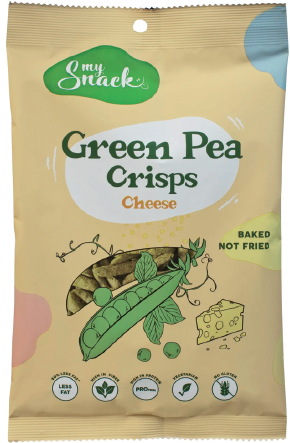
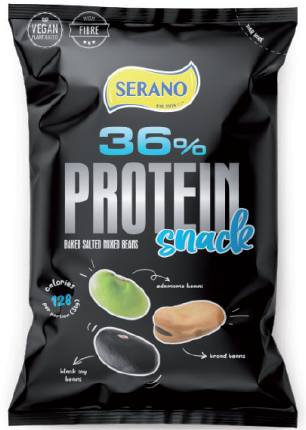
Private label producer Serano from Cyprus offers nut mixes with a high protein content of 36%, as well as products made exclusively from beans. Ellyt, a private label company from Estonia, has a variety of lentil-based crisps with a lower calorie content than traditional chips, while their fiber and protein content is higher.
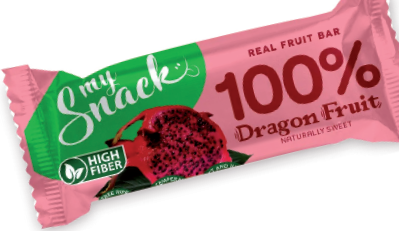
At the PLMA trade fair in Amsterdam, Ellyt also showed its range of 100% dried fruits, which have an intense and exotic taste. For example, its dried fruit mix with crispy jackfruit and banana contains more fiber and protein than traditional potato crisps. Another product the company showcased was a range of 100% real fruit bars, which are also interesting because of their handy format, making them suitable as a snack for sports activities.
On the other side of the world, Peruvian company Greenbox Smartfoods produces dried fruits sourced from local farmers. Due to the natural drying process, the products remain juicy and flavorful. Greenbox Smartfoods is a family-owned grower, manufacturer, and distributor of premium food ingredients from Peru. The company is headquartered in the Tarma Valley, about 3,000 meters above sea level in the Andes.
Swicy
Simultaneously, taste buds are becoming far more adventurous. While simple paprika or salt used to dominate European snack shelves, today’s consumers crave global flavor profiles and intense sensory experiences, drawing heavily from Asian, Middle Eastern, and Latin American cuisines. The desire for extreme heat continues to surge, complemented by the rise of “swicy” combinations that blend chili with sweet honey or fruit notes.
Deep, savory umami flavors, such as seaweed, black garlic, za’atar, and harissa, are gaining traction, alongside a surge in sour and fermented profiles fueled by a global fascination with pickle flavors.
Retailers are moving quickly to bring these complex tastes to the masses. Jumbo in the Netherlands offers bold jalapeño-cheese tortilla chips and upscale rosemary or truffle varieties, while UK retailer Sainsbury’s brings high-end options like Korean BBQ and Chili & Yuzu directly to private-label shoppers through its Taste the Difference line.
To achieve this, product development is focusing on multi-layered textures, such as crackers baked with seeds and grains or layered crispy bites.
Convenience also plays a key role, with high-demand products ranging from ready-to-serve olive mixes to artisanal dip sticks. French retail giant Carrefour excels here with its Carrefour Sélection line of luxury appetizers and truffle-infused nut mixes, while Dutch supermarkets offer high-end snack trays under proprietary labels that directly compete with specialty food stores.

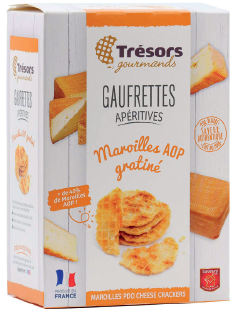
A nice private label example comes from the French company Patisserie des Flandres. Traditionally, the company made only sweet butter waffles, but it has transformed them into small savory crackers under the name Trésors gourmands. Same structure, different taste. What about a savory gaufrette with a very local cheese, Maroilles AOP, baked until golden and crispy?
Blurring Snacks and Meals USA and Asia
This flavor revolution extends naturally to the premiumization of the home social hour. The line between a quick snack and a full meal is blurring, elevating the traditional charcuterie board into an essential social experience.
Consumers want to recreate specialty-shop or restaurant-quality experiences at home without paying premium delicatessen prices.
Looking beyond Europe, these consumer demands take on even more pronounced forms. In the United States and Asia, snack characteristics are cranked up a notch. While European shoppers often favor subtler herb and umami profiles, the US market focuses on maximum flavor intensity per bite, frequently experimenting with fast-food mash-ups.
In markets like Japan and South
Korea, texture reigns supreme, with consumers seeking extreme crunch, airy lightness, or unique chewy textures, often paired with distinctive seafood and fish flavors.
Shaping the Snack Future
Ultimately, these global shifts demonstrate that while consumers want to make healthier choices, they are unwilling to compromise on enjoyment and togetherness during snack time. Rising living costs have prompted shoppers to evaluate their budgets more critically, allowing private labels to capitalize on the moment. No longer viewed as boring, cheap knockoffs of name brands, store brands have proven their ability to adapt flexibly to emerging trends such as legume chips, pickle seasonings, and premium entertaining bites.
By offering high-quality, innovative products at accessible prices, supermarkets are proving that private label is now actively shaping the future of snacking.
Hans Kraak
Hans Kraak is educated in biology and journalism and has written four books on nutrition and health. He worked for the Dutch ministry of Agriculture, Nature and Food quality and the Netherlands Nutrition Centre. As editor in chief he publishes in the Dutch Magazine for Nutrition and Dietetics, as a food and wine writer he published in Meininger’s Wine Business International and reports for PLMA Live EU and PLMA USA.